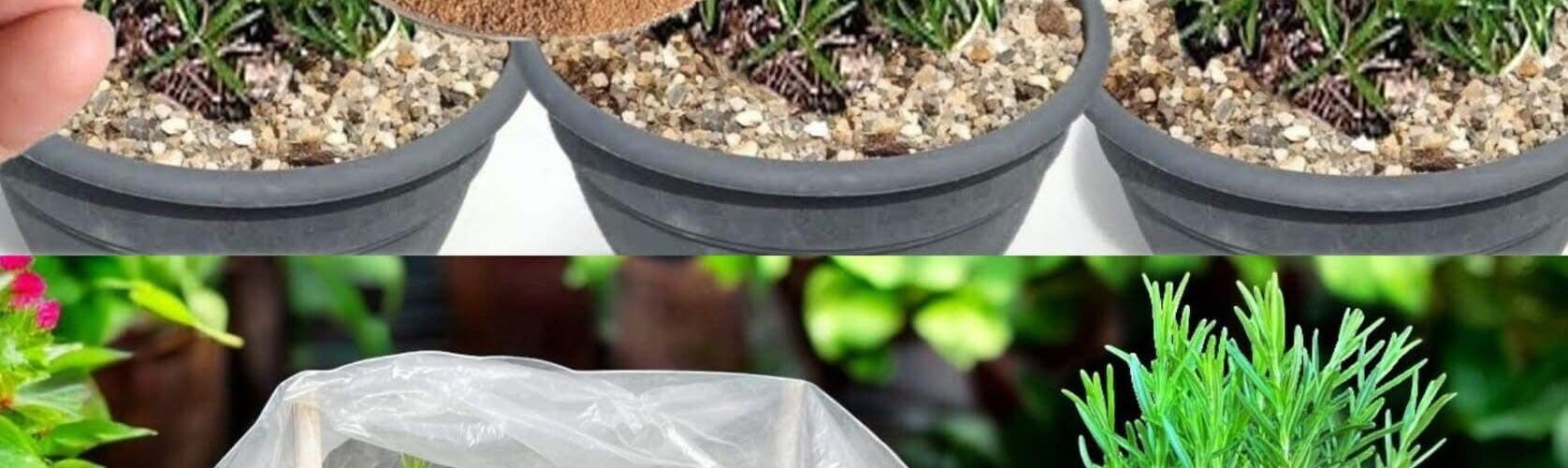
Rosemary (Rosmarinus officinalis) is a fragrant, woody herb known for its aromatic scent and numerous health benefits. It’s been used for centuries in cooking, medicine, and even beauty routines. If you’re thinking about growing rosemary or using it in your daily life, here’s everything you need to know about its many uses and how to care for it properly.
Uses of Rosemary
1. Culinary Uses
Rosemary is a popular herb in cooking, particularly in Mediterranean cuisine. Its earthy and pine-like flavor pairs well with meats, vegetables, and breads. It’s great with roasted potatoes, lamb, chicken, and even in pasta dishes or stews. You can use both the leaves and stems to add depth to your dishes, or infuse olive oil for a fragrant oil to drizzle over salads or cooked dishes.
2. Health Benefits
Rosemary is packed with antioxidants, vitamins (like Vitamin A and C), and anti-inflammatory compounds, which make it beneficial for overall health. It is often used to help with digestion, improve memory, and even reduce stress. Some studies suggest rosemary oil may have antibacterial and antifungal properties, which can promote better immune health. Rosemary is also known to enhance circulation, which is why it’s used in many natural remedies for headaches and muscle pain.
3. Beauty and Skincare
Rosemary’s anti-inflammatory properties make it a wonderful ingredient for skincare products. It can help soothe irritated skin and reduce puffiness or redness. Rosemary oil is often used in hair care routines to improve scalp health, stimulate hair growth, and combat dandruff. Many shampoos, conditioners, and oils contain rosemary extract for its revitalizing and strengthening effects on the hair.
4. Aromatherapy
Rosemary essential oil is commonly used in aromatherapy to help improve focus, reduce stress, and promote mental clarity. Simply diffusing a few drops of rosemary oil can help boost your concentration and create a refreshing atmosphere at home or in the workplace. It’s also used in massage oils to relieve muscle tension and headaches.
How to Care for Rosemary
1. Growing Rosemary
Rosemary is relatively easy to grow, whether in your garden or as a potted plant. It thrives in full sun, so choose a sunny spot with good drainage. Ensure that your soil is light, well-draining, and slightly acidic. While rosemary is drought-tolerant, it’s important to water it regularly, but not excessively. Overwatering can lead to root rot, so make sure the soil dries out between waterings.
2. Pruning
Regular pruning is essential to keep rosemary plants healthy and encourage new growth. Trim back the tips of the stems after flowering or at the end of the growing season. This will keep the plant compact and prevent it from becoming too woody. Always use sharp pruning shears to avoid damaging the plant.
3. Overwintering Rosemary
If you live in a cold climate, you’ll need to take extra steps to protect rosemary in winter. You can either bring potted rosemary plants indoors or mulch around the base of outdoor plants to insulate them. Rosemary is hardy to around 20°F (-6°C), but extreme cold temperatures may kill it.
4. Harvesting Rosemary
Harvest rosemary by cutting sprigs from the top of the plant. You can do this throughout the year, but it’s best to do so before the plant starts flowering, as the leaves will be more flavorful. Fresh rosemary can be used immediately, or you can dry it for later use by hanging the sprigs upside down in a dry, cool area.
Common Problems and Solutions
1. Pests
Rosemary is generally resistant to pests, but it can sometimes fall prey to aphids or spider mites. If you notice any insects on your rosemary, gently wash the plant with soapy water or use a natural insecticidal soap.
2. Yellowing Leaves
Yellow leaves can indicate overwatering, poor drainage, or a nutrient deficiency. Ensure that your rosemary has good drainage and avoid overwatering. If the soil seems poor, you can add some compost to enrich it.
Conclusion
Rosemary is a versatile herb that can be used in a variety of ways, from enhancing the flavor of your meals to improving your health and beauty routine. Its easy-care nature makes it a great addition to any garden or kitchen. Whether you’re cooking, making natural remedies, or enjoying its scent, rosemary is sure to elevate your everyday life.
If you found this information helpful, please like this post and share it with your friends. Don’t forget to follow us for more useful tips and advice on herbs and plants!