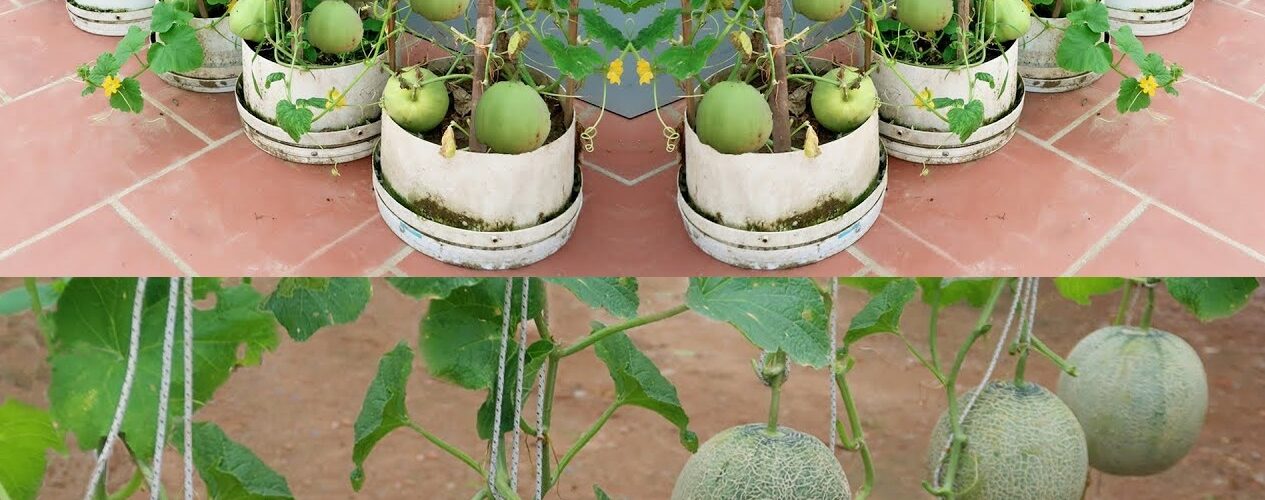
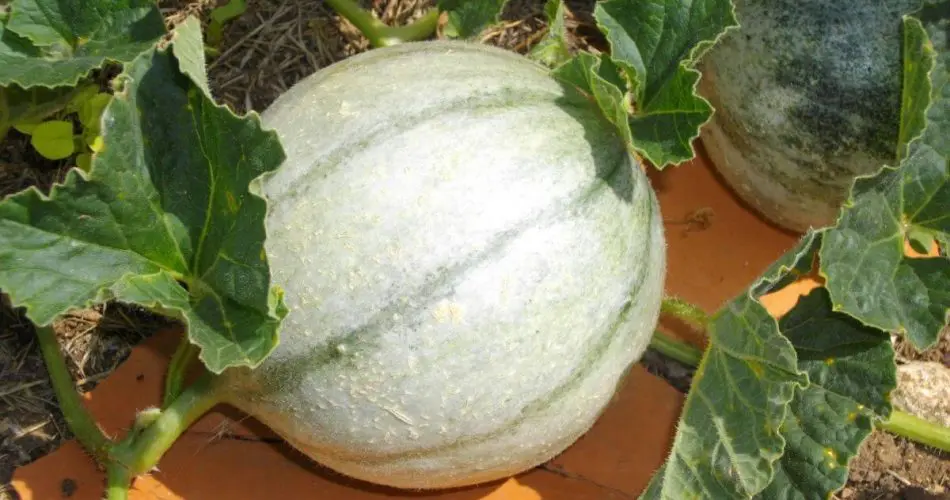
The quality of a melon (taste, aroma, texture) is best when the sugar content of the fruit is high. Sweet melons need plenty of sun, warm temperatures, enough water, and to be free of diseases and pests. Sugar content is classified on the Brix scale, which measures the percentage of solids (everything that is not water) in the juice extracted from the fruit. These solids not only include sugars, but also amino acids, proteins, minerals, and vitamins. In other words, sweeter fruits also have more complex flavors and a better nutritional profile.
The Brix index, often abbreviated as “Bx”, is the result of the interaction of genetics, climatic conditions, soil conditions and maturity. Below are some helpful tips on how to use these strengths to grow the sweetest melons possible.
1) Choose the sweetest varieties
Some melons are naturally sweeter than others, due entirely to genetic makeup. Some seed suppliers give the average Brix value of your melon, but for many common varieties this information is easily obtained with a quick internet search. A Brix value of 12 is considered pleasantly sweet, 14 very sweet, and 16 too sweet.
2) Sow seeds early in the season
A long, warm growing season is necessary for optimal ripening and therefore a good sugar content. Start germinating your melon seeds indoors in 10cm pots at least six weeks before the average date of the last frost in your area, so that the seedlings are already well established when the warm weather arrives. If you plant seedlings outside in cold weather, they will stop growing, so wait a few weeks after the average date of the last frost to do so, or until nighttime temperatures are consistently above 15°C.
3) Find your warmest microclimate
The heat pulls the sugars out of the melons, so plant them in a location that warms up in early spring and stays warm until the end of September. The south side of a fence or wall is ideal, as the structure absorbs heat and sunlight and reflects it off the melons. Placing melons near a sunny brick patio or other paved surface also helps create a warm microclimate for these tropical plants. Such measures are not necessary in the south of France, but in colder climates melons need all the help they can get to reach optimal ripeness.
4) Take advantage of the sun’s rays
There’s nothing you can do to change the climate where you live or the amount of sunshine in your garden, but there are a few tips for making the most of the heat available in each location. Covering the soil of melon trees with black plastic landscaping sheets, which retain heat like an asphalt surface, is an essential tip. You can also place clear plastic or clear cloth covers over the melon trees to create a mini greenhouse. They should be removed in early summer, when the plants begin to bloom, so that insects can pollinate the flowers. Recover the beds in late summer to ensure optimal ripening in cold weather.
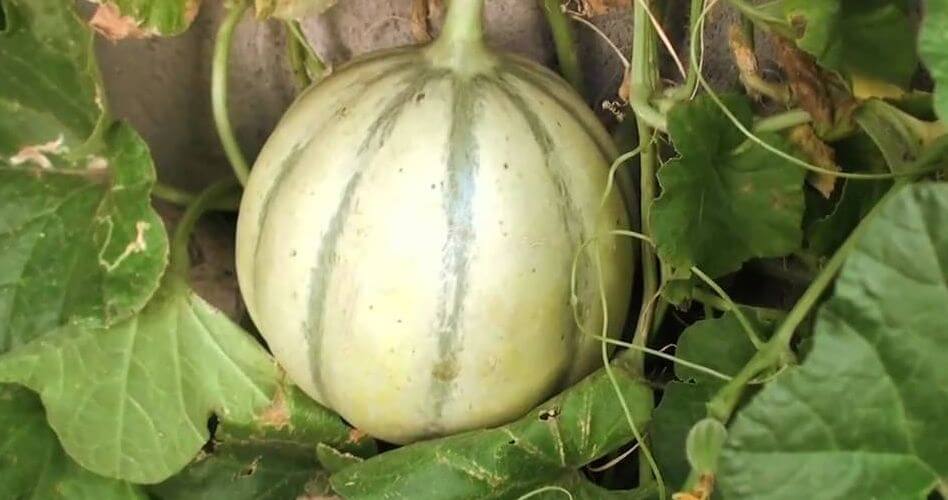
5) Don’t overcrowd your melon plants
Melons grow on large vines and do not ripen effectively when grown in tight spaces. Seedlings are usually planted in mounds (three per mound) 60 cm apart in 180 cm rows. Reduce the number of fruits to three melons per vine, as this will recover more nutrients (and therefore sugars) in each melon. If space is an issue, build a sturdy trellis and place the melons on the south side of it, this saves space in the bed, but also puts the fruit in better contact with the sun’s warm rays.
6) Sugar content starts in the soil
Sugar is produced in the leaves by photosynthesis and then sent to the fruit. The more abundant the leaf growth, the higher the Brix index. To encourage vigorous growth, mix 10-15cm of composted manure into your melon beds before planting. Then add a