Introduction
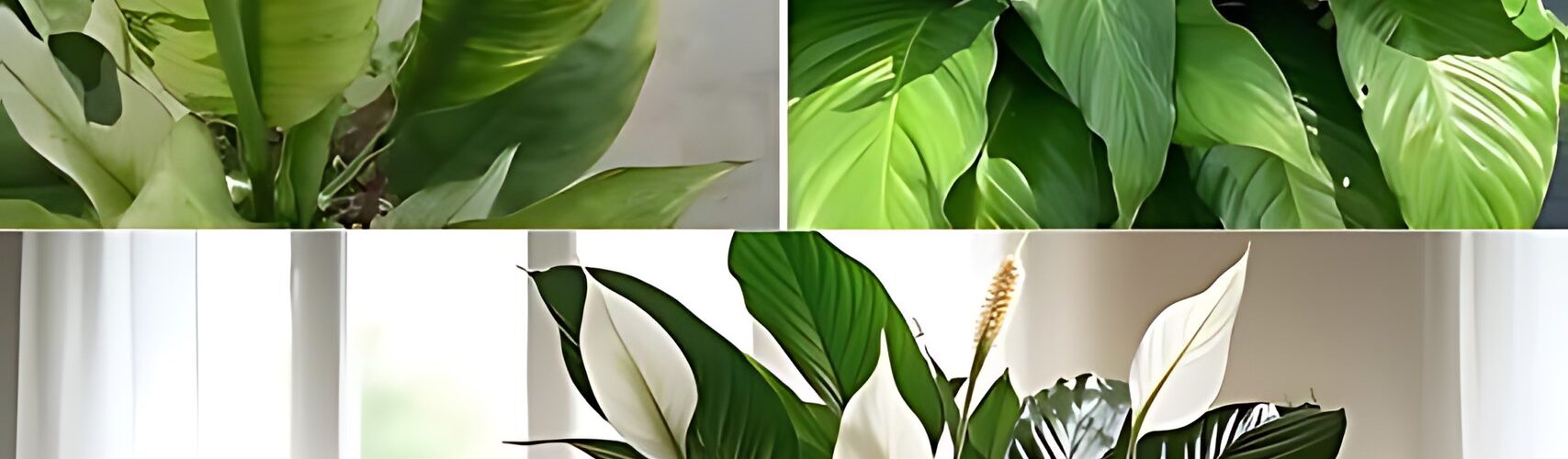
Spathiphyllum, also known as the “peace flower” or “spathiphyllum,” is a popular houseplant thanks to its elegance and ability to flourish in domestic conditions. In this article, I will share how to effectively stimulate spathiphyllum growth and flowering so that it can thrive in your home.
Benefits of Spathiphyllum at Home
Spathiphyllum is not only a beautiful plant, but it also offers significant health and wellness benefits at home.
Air Purification
One of the outstanding characteristics of spathiphyllum is its ability to purify the air. This plant absorbs pollutants such as formaldehyde, benzene and trichloroethylene, thus improving indoor air quality.
Aesthetic appeal
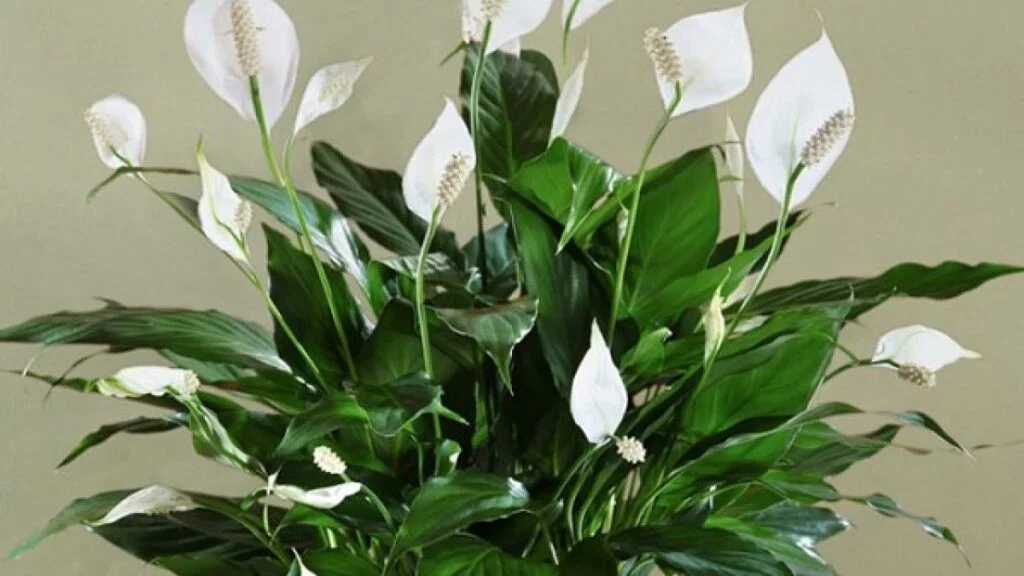
With its elegant bright green leaves and white or cream-colored flowers, spathiphyllum adds a touch of sophistication and freshness to any interior space.
Basic Requirements for Spathiphyllum Care
To stimulate healthy growth of spathiphyllum, it is crucial to provide it with the right conditions.
Light
Spathiphyllum prefers bright indirect light. Avoid direct sunlight, as it can burn its delicate leaves.
Temperature
Keep the plant in an environment with temperatures between 18°C and 24°C. Avoid cold or hot drafts.
Humidity
Spathiphyllum thrives in moist environments. Spray its leaves with water regularly to increase the ambient humidity.
Suitable Soil and Pot
Use well-drained soil rich in organic matter. Move the plant to a slightly larger pot when the roots fill the space.
Correct Watering
Watering is critical to the healthy growth of spathiphyllum.
Frequency and Quantity
Water the plant when the topsoil is dry to the touch. Avoid overwatering, which can lead to root rot.
Quality Water
Use warm, chlorine-free water to water your spathiphyllum. Hard water can leave mineral deposits on the leaves.
Feeding and Fertilization
Spathiphyllum responds well to regular feeding.
Types of Fertilizers
Use a balanced liquid fertilizer, especially during spring and summer.
Application Frequency
Fertilize the plant every 4-6 weeks during the growing season.
Pruning and Maintenance
Keep your spathiphyllum in tip-top condition with proper pruning.
Removing Wilted Leaves
Trim yellow or wilted leaves to encourage healthy new growth.
Replanting
Replant your spathiphyllum every 1-2 years to renew the soil and allow for optimal growth.
Common Problems and Solutions
Sometimes, spathiphyllum can face challenges that require special attention.
Yellow Leaves
Yellow leaves may indicate excess watering. Adjust your watering habits.
Brown Tips on Leaves
Brown tips can be caused by hard water or low humidity. Increase the ambient humidity and use quality water.
Pests and Diseases
Keep an eye out for pests such as spider mites or mealybugs. Use natural solutions or mild insecticides as needed.
Flowering Stimulation
Enjoy the beautiful flowers of spathiphyllum with these practical tips.
Strategies to Encourage Flowers
Place the plant in a place with bright but indirect light. Maintain a consistent watering and feeding cycle.
Care During the Flowering Period
Avoid moving the plant during flowering and remove wilted flowers to promote new blooms.
Personal Experiences and Tips
My experience with spathiphyllum has been rewarding. I recommend taking a close look at the signs the plant gives you and adjusting your care accordingly. Each plant is unique and may require personalized attention.
Conclusion
In short, spathiphyllum is a rewarding plant to have at home. By providing it with the right care, you can stimulate its growth and enjoy its beautiful flowers all year round. Follow these tips and watch your spathiphyllum flourish and thrive in your home. Enjoy the natural beauty that this plant has to offer!