Understand and identify mealybug on your plants
To deal with a problem effectively, it is essential to know the cause.
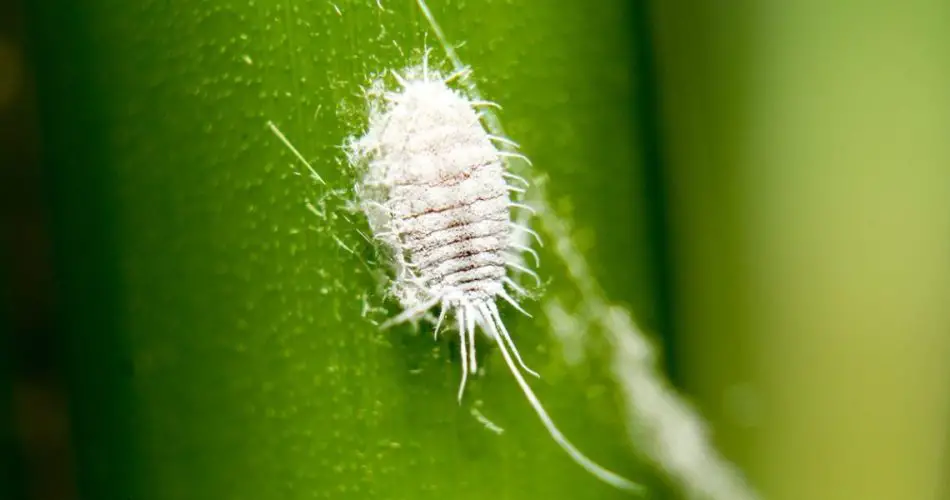
Mealybugs are insects of the order Hemiptera, and there are several species. Some are mobile and others attach to leaves and stems. The so-called shelled mealybugs are covered with a hard cuticle, while the so-called mealybugs are covered with a white waxy substance.
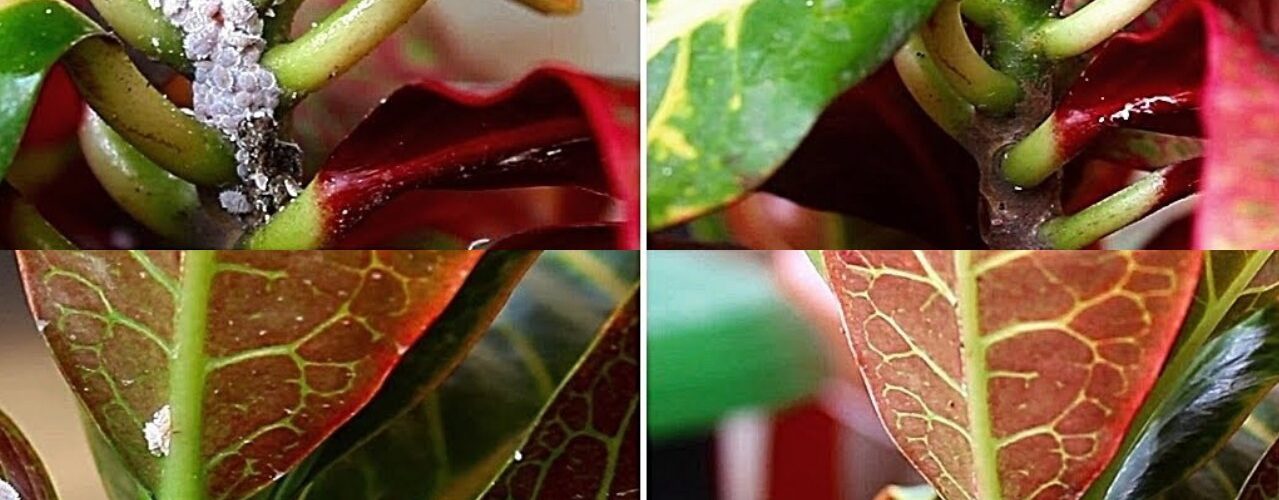
The first signs of infestation are usually yellow or brown spots on the leaves, as well as cottony bumps or scales on the stems and leaves.
In an advanced infestation, the leaves drop, the stems turn black, and the flowers wilt. Therefore, it is important to react quickly to eliminate these pests and prevent them from spreading to other plants.
Take preventive measures
The best way to avoid mealybug infestation is to prevent their appearance.
Regular maintenance of your plants is essential to maintain their health and avoid problems. Here are some best practices for adopting:
- Regularly inspect your plants, especially new acquisitions, to quickly detect the presence of mealybugs.
- Avoid excess nitrogen fertilizers, which promote mealybug growth by stimulating sap production.
- Regularly clean your plants, removing dead leaves and dusting them.
- Ensure good air circulation and adequate light by spacing your plants sufficiently and placing them in an environment suitable for their needs.
- Introduce beneficial insects, such as ladybugs, which are formidable natural predators of mealybugs.
Treat your infested plants naturally
If, despite your preventative efforts, your plants are infested with mealybugs, don’t panic! Here are natural methods to remove them effectively:
- Manual cleaning: For mild to moderate infestations, use a damp cloth, toothbrush, or cotton swab soaked in alcohol and gently remove mealybugs by rubbing the leaves and stems.
- Black soap: Dilute a tablespoon of black soap in a quart of water and spray the solution on your infested plants. Leave on for an hour, then rinse with clean water. Repeat the operation every 3 days until the mealybugs are eliminated.
- White vinegar: Dilute one part white vinegar to three parts water and spray the solution over the infested parts of the plants. The acidity of the vinegar will help eliminate mealybugs. Repeat the application every 5 to 7 days until the mealybugs are eliminated.
- Neem Oil: Neem oil is a natural insecticide effective against many pests, including mealybugs. Dilute the neem oil according to the instructions on the package and spray it on the affected parts of the plants. Neem oil works by disrupting the hormonal system of insects and preventing them from reproducing. Repeat application as recommended for best results.
- Natural predators: Introducing natural predators into your garden can be an effective and environmentally friendly method of controlling mealybugs. Ladybugs, lacewings, and parasitic wasps are examples of predatory insects that feed on mealybugs. You can attract them by planting flowers that attract them or installing insect shelters.
- Crop rotation: If you have a vegetable garden, practicing crop rotation can help reduce infestations of pests, including mealybugs. By changing the location of plants each year, you disrupt the reproductive cycle of pests and reduce their impact.
Keep in mind that these natural methods may require multiple applications and perseverance to completely eliminate mealybugs. Be sure to follow the specific instructions for each method and perform regular treatments to prevent re-infestation.
In conclusion, mealybugs are harmful pests for your plants, but there are natural solutions to eliminate them. By taking preventative measures, using natural control methods, and promoting a healthy environment for your plants, you can reduce mealybug infestation and keep your garden healthy without harming the environment or your health.