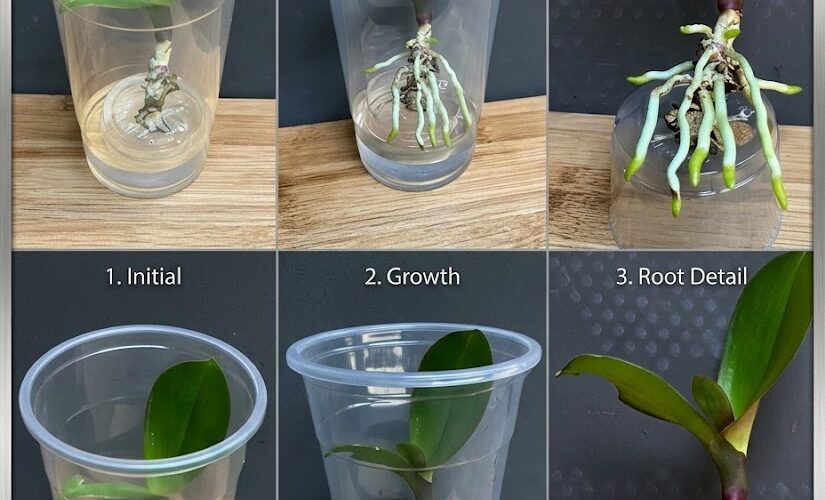
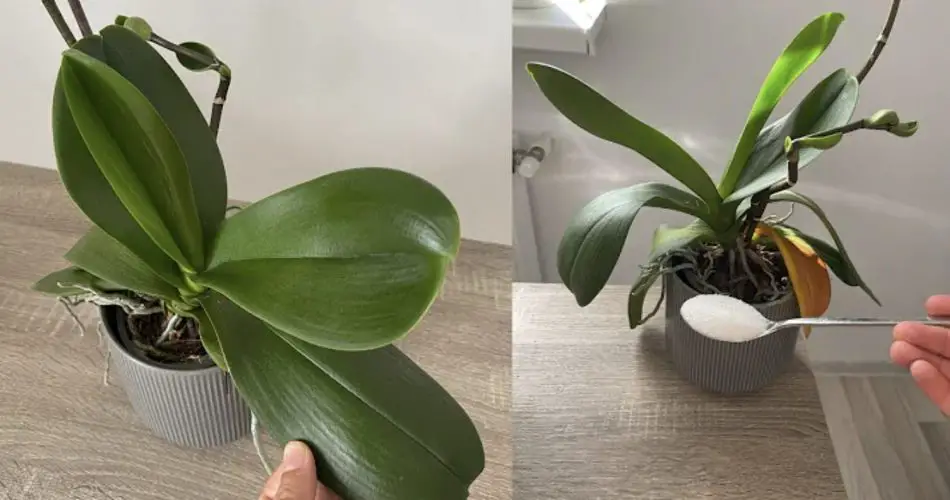
The orchid is a wonderful flower that does not require special attention, in fact, it lives quite independently. However, there are some precautions that should always be kept in mind because a few missteps could compromise its lush growth and the long-term maintenance of the plant.
Orchids are plants that grow naturally in tropical and subtropical areas. Some species, however, are also born in Europe and on Italian territory.
Their bright and varied colors make them appreciated and spread in homes and gardens. Very often, however, they are left to die, because they are not known how to treat them. In this article we will try to help you understand how to care for orchids, taking into account all their characteristics and needs.
Characteristics of the orchid
Orchid plants are particularly varied: in fact, there are more than 20,000 species in nature, grouped into almost 700 genera. They develop in very hot and humid areas and grow near tree trunks and rocks.
A special case are earthling orchids, which grow in more temperate areas, such as Europe, and differ from the others because they sink their roots into the ground.
In general, all orchids have a typical and recognizable shape; Its color, on the other hand, can be variegated. There are three species that are most easily found on the market: phalaenopsis, dendrobium, and cymbidium.
How to grow orchids at home
In addition to being beautiful, orchids are delicate plants that need to be treated with care. Below, you will find all the aspects that must be taken care of to prevent the plant from drying out, getting sick or, worse, dying. You have to worry about the light and water it receives, but also treat the soil well and control the temperature to which it is exposed both day and night.
The light
Place orchid plants toward the window or balcony, but avoid direct exposure and contact with the heat source.
Therefore, do not place the plant on the balcony or in the center of the garden, but place it behind a tent or under a canopy, so that it can have a shelter. In particular, direct contact should be avoided during the plant’s resting period.
Water and irrigation
The orchid needs to live in a humid environment, but that doesn’t mean it needs to be watered every day. Water it every 5-7 days. More often, however, the leaves need to be treated: steam them often, using demineralized water.
For summer periods, when too much heat risks making the environment particularly dry, get a humidifier, so that the plant always grows in an ideal and favorable environment.
The marl
Also pay attention to potting soil. Create a mixed soil by gathering charcoal, husks, and pieces of bark. The important thing is to create a porous environment in which humidity is neither too much nor too little. Among the most recommended are fine-grained potting soil and medium mix. In particular, the former makes transplanting easier and safer.
Ideal temperature and climate
The ideal temperature for orchids to grow healthily and ensure that they last over time is 22°-23°, which is typical of an apartment.
They could also survive in contact with higher temperatures, as long as the environment in which they are located is ventilated and not completely exposed to light.
Propagation
In general, seed propagation can be done indoors. Recreate a sterile and particularly clean environment. Place two seeds at a time under the surface of the pot and make sure the soil is of good quality.
Orchids germinate slowly, but you can stimulate them with fertilizer. The most recommended are homemade fertilizers, made from natural ingredients.
Transplanting
When transplanting a plant, be careful not to damage the roots, its most delicate part. Remove dead and rotten roots with the help of scissors.
The amount of soil should not be excessive, the roots should not be covered so that they adhere more easily to the walls of the pot.
The right pot
To know which is the right pot, you should take into account the type of orchid you have bought.
In general, it is better to opt for a perforated pot, so that drainage is facilitated and moisture does not stagnate. To keep the temperature and heat at the proper level, add a clay plate.
Flowering
How to get a new bloom of the orchid plant? The solution lies in the change in temperature. In fact, in the wild, orchids bloom again after a period of rest, which coincides with winter, when temperatures are lower. Exposing your plant to lower temperatures than usual, therefore, will ensure that, once exposed back to its ideal temperature, it can bloom again.
Flowering times depend on different species to species.